Rearranging the Morning: How Small Shifts in Routine Can Save Your Day
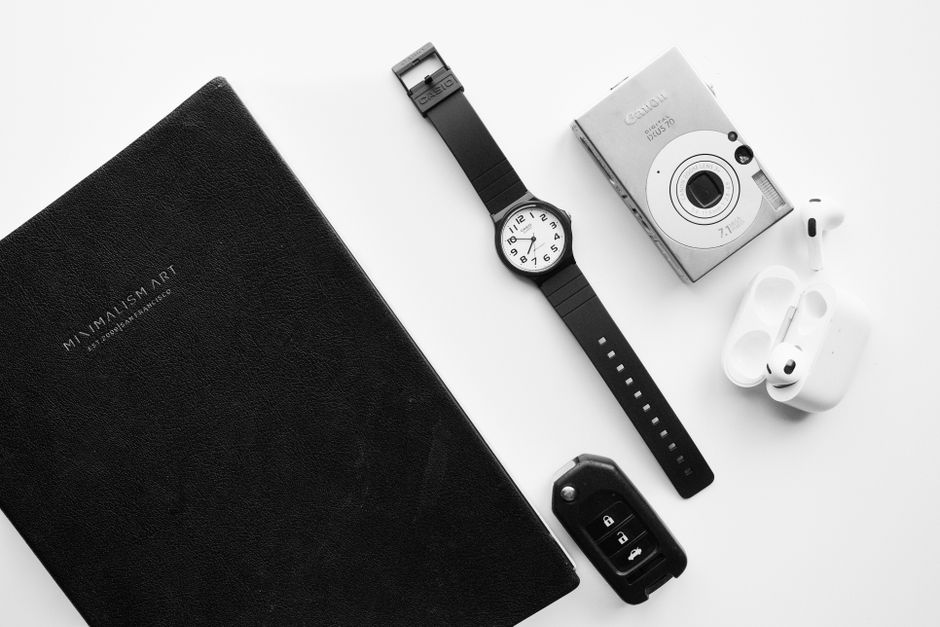
It’s 7:15 AM, and the kitchen counter is cluttered with yesterday’s dirty dishes, a half-empty coffee cup, and the remnants of a hastily prepared breakfast. As a parent, the morning routine feels like a race against the clock, with the alarm clock blaring from across the room, reminding me that time is slipping away. I shuffle through the chaos, trying to gather my bag, keys, and notebook, but the counter’s disarray makes it hard to find a clear space to set everything down. This simple moment of preparation is often fraught with friction, as I struggle to balance the demands of getting everyone out the door and ensuring I have what I need for the day ahead.
In the midst of this morning scramble, I realize that I’ve skipped a crucial step: checking the kids’ backpacks for any forgotten homework or lunch items. Instead, I focus on the visible clutter, thinking that if I just clear a spot, I’ll be ready to go. Yet, without that quick check, I risk leaving the house unprepared, which can derail our entire day. The umbrella, still sitting in the corner instead of by the door, is another reminder of how small oversights compound the stress of our morning routine. Each action, or lack thereof, builds a sequence that can either set us up for success or lead to a chaotic start. The First Step That Gets Skipped As I stand in the kitchen, resetting the bag, keys, and notebook by the door, I glance at the counter cluttered with dirty dishes. The remnants of breakfast from yesterday linger, making it nearly impossible to find a clear space to prepare anything for today. It’s an ordinary weekday morning, but the chaos around me is anything but typical. My focus shifts between ensuring the kids are dressed and ready while trying to salvage the remnants of a meal that should have been cleaned up the night before.
In this moment, I realize I’ve overlooked a critical step in my morning routine: checking the kids’ backpacks for any forgotten homework or lunch items. Instead, I’m fixated on the visible mess, believing that if I can just clear a spot on the counter, I’ll be able to pull together a quick breakfast. The clock ticks down, and I find myself scrambling, wishing I had set the alarm across the room to force myself out of bed earlier. The umbrella still sits in the corner instead of being moved to the door, a small but telling reminder of how these seemingly minor oversights can compound into a chaotic start to the day.
As I finally manage to clear a spot, I remember that a quick check of the backpacks could save us from a frantic dash back home later. But the moment passes, and I rush out the door, leaving behind a disorganized kitchen and a nagging feeling that I’ve missed something crucial. This sequence of actions—or inactions—highlights how the friction of a cluttered space can derail even the best intentions for a smooth morning routine.
When Routine Begins to Slip
The moment I realize I forgot to set the alarm across the room is a turning point in my morning routine. I wake up later than planned, the sunlight already streaming through the kitchen window, casting shadows on the cluttered counter. As I rush to gather my things, I notice the umbrella still sitting in the hallway, a small but glaring reminder of my disorganized approach. If I had moved it to the door the night before, it would have been one less thing to think about as I scramble to get everyone out the door.
With breakfast on my mind, I attempt to clear a space on the counter for a quick meal. The dirty dishes from last night loom large, making it difficult to find room for a bowl or a plate. I tell myself that if I can just get a quick check of the backpacks before we leave, we might avoid a frantic dash back home for forgotten items. But that check slips my mind as I juggle the kids' requests for breakfast. I pour cereal, but the clock is ticking, and I can feel the pressure mounting.
As I finally manage to pour some milk into the bowls, I realize that the sequence of my actions has created a ripple effect of chaos. The missed check of the backpacks means I’m uncertain if the kids have their homework, and the cluttered counter has left me feeling frazzled. I grab the bags, keys, and notebooks from the table, but without that earlier check, I can’t shake the nagging feeling that I’ve overlooked something crucial. The cascading effects of these small oversights have turned what should be a simple morning routine into a race against time, leaving me with a sense of disarray as we rush out the door. A Better Order for the Same Five Minutes Every evening, I find myself staring at the kitchen counter, cluttered with remnants of the day’s meals. As I prepare for the next morning, I realize that the chaos often starts here. Last week, I decided to prep breakfast the night before. I placed the cereal boxes on the fridge shelf and set out bowls and spoons, ready to grab in the morning. This small shift meant that when the morning rush hit, I could easily pour cereal without fumbling around in the pantry.
However, I noticed that even with this preparation, I still felt rushed. I often forget to check if the kids’ backpacks are ready to go. So, I established a new routine: before leaving the kitchen, I now do a quick check of the bags. I take a moment to glance at the table where the backpacks sit, ensuring homework and lunchboxes are packed. This simple act of checking has helped alleviate the anxiety of forgetting something crucial.
One morning, I executed this sequence perfectly. After pouring the cereal, I moved to the table and did my check. I was surprised to find that the kids had left their homework on the counter, buried under a pile of dirty dishes. By placing the dirty dishes in the sink first, I cleared the counter and made room to see the backpacks. This adjustment not only streamlined my routine but also saved us from a frantic dash back home. The order of my actions created a smoother transition from evening to morning, making the start of our day feel more manageable.
What to Check Before the Phone Takes Over
A slightly different version of this problem appears in Everyday Life In The, where the sequence changes but the hidden drag feels familiar.
As I stood in the kitchen, the aroma of freshly brewed coffee filled the air, a small comfort amidst the chaos of weekday mornings. The kitchen counter, now clear of dirty dishes thanks to my new habit of rinsing them immediately after dinner, allowed me to focus on a quick breakfast triage. I grabbed a bowl and poured cereal, glancing at the table where the kids’ backpacks awaited our final check before heading out.
This morning, I noticed how the absence of clutter transformed my routine. With the counter clear, I could see the backpacks and quickly verify that lunchboxes were packed and homework was tucked inside. I had learned the hard way that skipping this step often led to frantic searches for misplaced items. By making it a point to check the bags first, I eliminated that stress and ensured we were ready to leave on time.
After breakfast, I moved to the entryway, where my keys and notebook sat neatly arranged. I had started placing my phone in a designated spot on the counter, away from distractions, which helped me resist the urge to scroll through notifications. This small adjustment shifted my focus back to the tasks at hand. With a quick glance at my notebook, I confirmed the day’s agenda, which included a meeting I had almost forgotten. I took a moment to double-check the kids’ bags one last time before we stepped out, reinforcing the habit of preparation.
Now, as the evening approaches, I find that my routine is smoother. I’m not scrambling to remember what needs to be done for the next day. Each morning feels less like a race and more like a structured flow, all because of the simple act of clearing the counter and checking the bags. It’s a small change, but it has made a noticeable difference in how organized our day feels.
As I prepare to leave the house, the kitchen counter still bears the weight of yesterday's dishes, a reminder of how clutter can disrupt even the best intentions. Before stepping out, I make it a point to check the kids’ bags one last time, ensuring that everything they need is packed. This simple act not only confirms that we’re ready but also reinforces the habit of being proactive rather than reactive. The umbrella, which I often forget to move to the door, sits in the corner, a symbol of the small adjustments that can lead to smoother mornings.
To improve my morning routine, I’ve started placing my alarm across the room. This forces me to get out of bed and engage with my surroundings, rather than hitting snooze and falling back into a restless sleep. By integrating this small change, I’ve noticed that I’m more alert and ready to tackle the day ahead. Each evening, I remind myself to reset the kitchen counter and check the bags, making these tasks part of our daily reset. This consistency helps manage expectations, ensuring that our mornings flow more seamlessly.


